
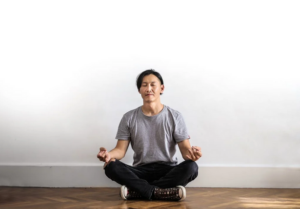
It’s easy to assume that being mindful and being self-aware mean the same thing. After all, they both deal with thoughts, emotions, and attention. But lumping them together can muddy the waters. The truth is, that these two practices work differently. Knowing the difference between mindfulness and self-awareness can help you use both more intentionally.
Mindfulness Is Noticing Without Narrating
Mindfulness is the act of simply paying attention. No commentary. No fixing. Just noticing. It’s like sitting on a bench and watching your thoughts walk by without inviting them for coffee. Imagine you’re angry. Mindfulness lets you feel the tightness in your chest. The heat in your cheeks. It doesn’t ask why. It just says, “Hey, this is happening.” The power lies in that pause. Because without it, we go into autopilot, snapping at someone, sending that passive-aggressive text, and regretting it later. Mindfulness gives you a chance to respond instead of react.
Self-Awareness Is Understanding What’s Underneath
Now, let’s rewind that moment. You noticed the anger. But now you’re asking, “Where did this come from?” That’s self-awareness in action. Self-awareness digs a bit deeper. It connects the dots. Maybe you’re not mad at your coworker. Maybe you’re exhausted. Or feeling overlooked. Or carrying last week’s stress like a backpack full of bricks. This isn’t therapy. It’s basic mental hygiene. You’re just checking in, the same way you’d glance at your car’s dashboard. Low fuel? Better know before the engine sputters.
They Work Better as a Duo

You don’t have to pick one. In fact, separating them too strictly can make things harder. They support each other. Mindfulness gives you the stillness. Self-awareness brings insight. Let’s say you’re on your fifth scroll through social media, knowing you should be doing something else. Mindfulness says, “I’m zoning out right now.” Self-awareness adds, “Maybe I’m avoiding that task because I’m afraid to fail.” Put them together and suddenly, change becomes possible. You’re not just observing. You’re understanding—and adjusting.
Build Them Like Any Skill
You won’t master either overnight. Good news? You don’t have to. Start small. Really small. Mindfulness can be as simple as feeling your feet on the floor while brushing your teeth. Or pausing before you answer that email. Self-awareness can begin with journaling one line a day about what made you feel off. Over time, you’ll catch patterns faster. Think clearer.
Don’t Overcomplicate It

You don’t need incense or a Himalayan retreat. You just need a moment of quiet. Or curiosity. Sometimes both. Forget chasing perfection. Some days you’ll notice everything. Some days you’ll space out for hours. That’s part of the process. The key is to keep showing up. To stay a little curious. Treat your thoughts like weather—not forecasts, just conditions.
Both mindfulness and self-awareness invite us to stop sleepwalking through our lives. They help us move from reactivity to reflection. And while they may seem similar, appreciating how they differ gives you more tools, not less. So next time you feel off, try pausing first. Then ask why. That combo might be the mental tune-up you didn’t know you needed.…

 Leafy greens are a powerhouse when it comes to eye health. Spinach, kale, and collard greens contain antioxidants like lutein and zeaxanthin. These nutrients protect your eyes from harmful light exposure. Incorporating these vibrant veggies into your diet can be easy and delicious. Try tossing them in salads, blending them into smoothies, or sautéing them with garlic for a quick side dish. Not only do leafy greens promote better vision, but they also support overall well-being. Their high levels of vitamins A, C, and K make them essential for maintaining healthy skin and boosting immunity.
 Citrus fruits are not just delicious; they pack a punch for your eye health. Oranges, lemons, and grapefruits are rich in vitamin C. This powerful antioxidant helps protect the eyes from oxidative stress. Vitamin C plays a crucial role in maintaining healthy blood vessels in the eyes. Consuming citrus regularly may reduce the risk of developing conditions that affect vision. Additionally, these fruits contain flavonoids. These compounds offer anti-inflammatory properties and can support overall eye function.
 If you’re 40 and still smoking or drinking excessively, now is the time to quit. These are both major risk factors for developing chronic health problems. Quitting smoking has immediate benefits and can dramatically reduce your risk of cancer, heart disease, and other illnesses.
 Eat plenty of fiber-rich foods: Fiber is essential for gut health, as it helps keep things moving along and prevents constipation. Aim to get 25-30 grams of fiber daily from sources like vegetables, fruits, whole grains, and beans.
 Besides stimulating male sex drive, testosterone also aids in attaining an
  While it’s common to feel exhausted, low T-hormone levels can be a reason for general fatigue. Therefore, if you regularly sleep around 8 hours but still feel too exhausted to function, you can visit the doctor to test your T-hormone levels.
 Among the great aspects of the ketogenic diet is the fact that you can consume alcohol while on it without ruining your weight loss. But one thing that you need to remember is that you should minimize your alcohol intake. This is one of the mistakes that many people do when going on a keto diet. Although the ketogenic diet is famous for rapid weight loss, especially in the early stages of this diet plan, weight loss is almost always a gradual but time-consuming process.…
 The next benefit is that it can help in losing weight. But you should always consult your doctor before taking one. They will give you a form that you can use. This form can be used at several clinics in your state. Most states also offer a third option for patients. You can obtain a doctor’s certificate and send it to your state health department along with the necessary forms.
 Even in the old days, cannabis is very known to help fight cancer. It has proven to treat many people that have cancer. In fact, it is used in some countries in the world. It might seem that laws allowing the use of pharmaceutical cannabis for certain individuals would legalize marijuana, but that is not the situation. New laws, such as California’s Proposition 215, have been used to allow people with a certain medical condition to access the medicine they need to feel better.…


 Trauma that affects specific areas of the brain can cause neurological symptoms such as aggressive behavior. It can occur after the puppy has suffered brain damage. Brain cancer, which is common in older dogs, can be another cause of such behavioral changes. Encephalitis, inflammation of the brain, can cause significant aggression in affected dogs. Rabies and distemper are types of encephalitis. Hydrocephalus, a congenital condition in which the brain’s ventricles become enlarged, can cause a variety of neurological disorders that occasionally include aggression.…



 It is strongly recommended not to focus on your appearance, but rather to congratulate you on your personality or something that has come to you well. It helps people to gain the ability to protect themselves from the overload of the person.





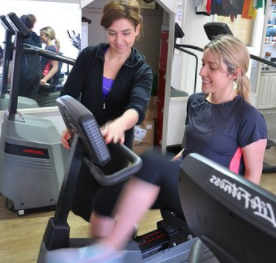 In a Penn State University, a study was conducted to establish the relationship between exercise and happiness. Unbelievably, there was a positive correlation between the two. If you want to boost your level of happiness, you should regularly workout. It does not have to be a rigorous regimen; even the mildest of exercise can help you achieve a greater level of being happy.
 Regular workouts have a positive impact on your sleep. It helps streamline and strengthen the circadian rhythm, which has the power to control your sleep pattern and quality. If you exercise, you will be bright-eyed during the day and fall into sound sleep when the night comes. Sleep has so many benefits to your health, and you can never overlook it in your quest for your wellbeing.
 As you become old, your memory gradually fails. You can no longer remember things that happened in your youth. Working out is the answer to failing memory. It helps in increasing your heart rate hence adequate blood and oxygen circulates your body. This, in turn, will help your brain develop new cells hence spiking up your memory.